Coffee roasting
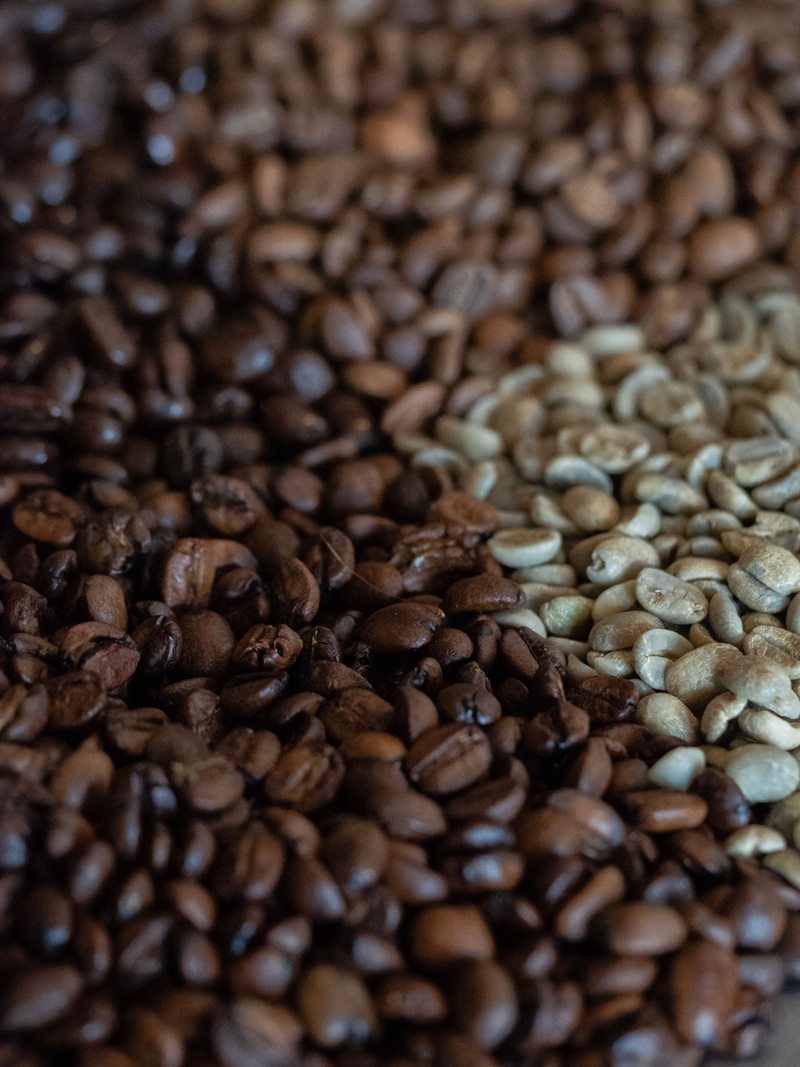
A roaster applies heat over several minutes. The bean dries, turns yellow, then browns as its sugars and amino acids react (the Maillard reaction). Around 196°C it pops, "first crack," and recognizable coffee flavor appears. Everything after that is the roaster choosing how far to go.
Seed to roasted
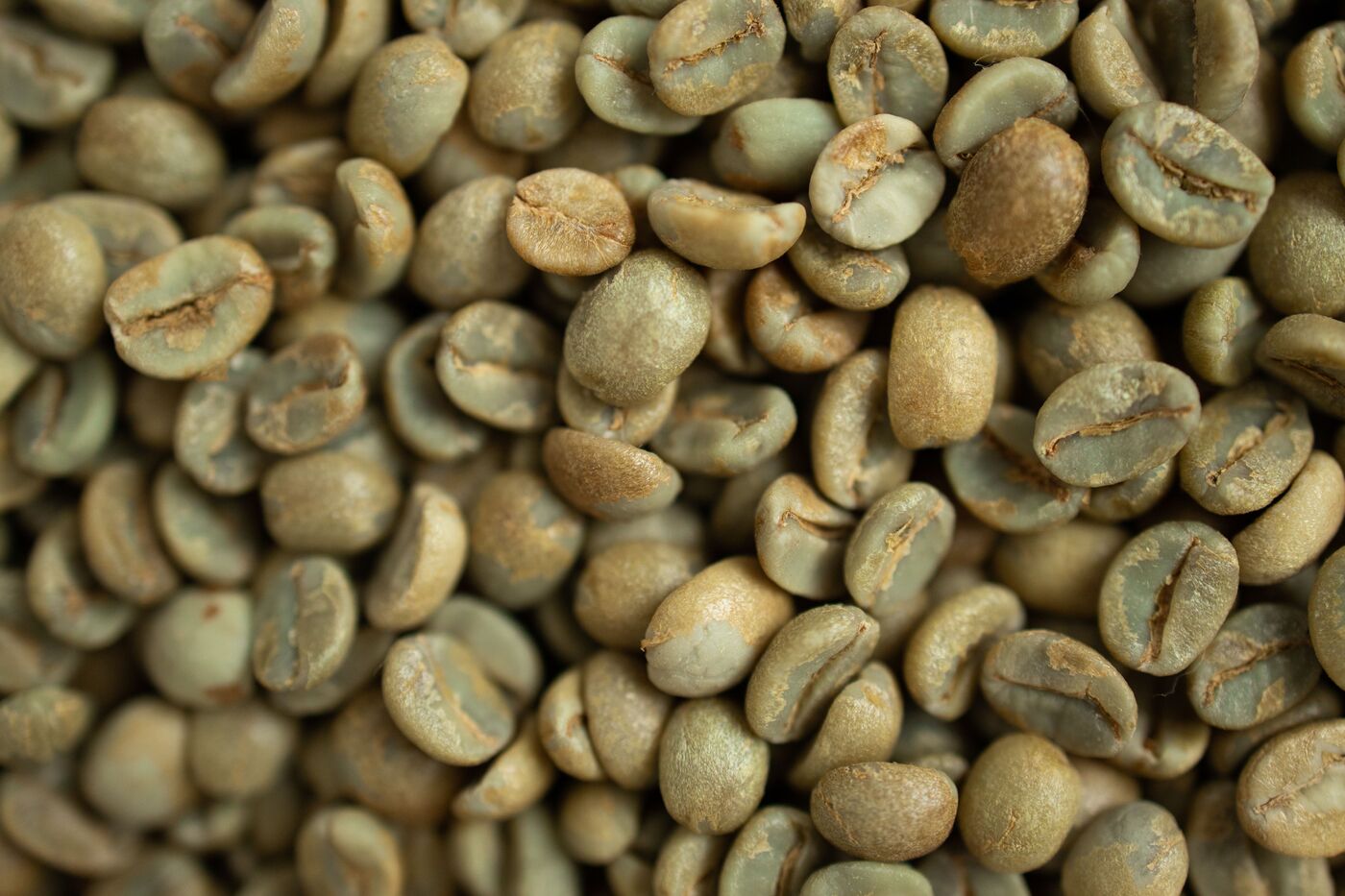
Green
Raw seed, grassy, no coffee flavor yet.
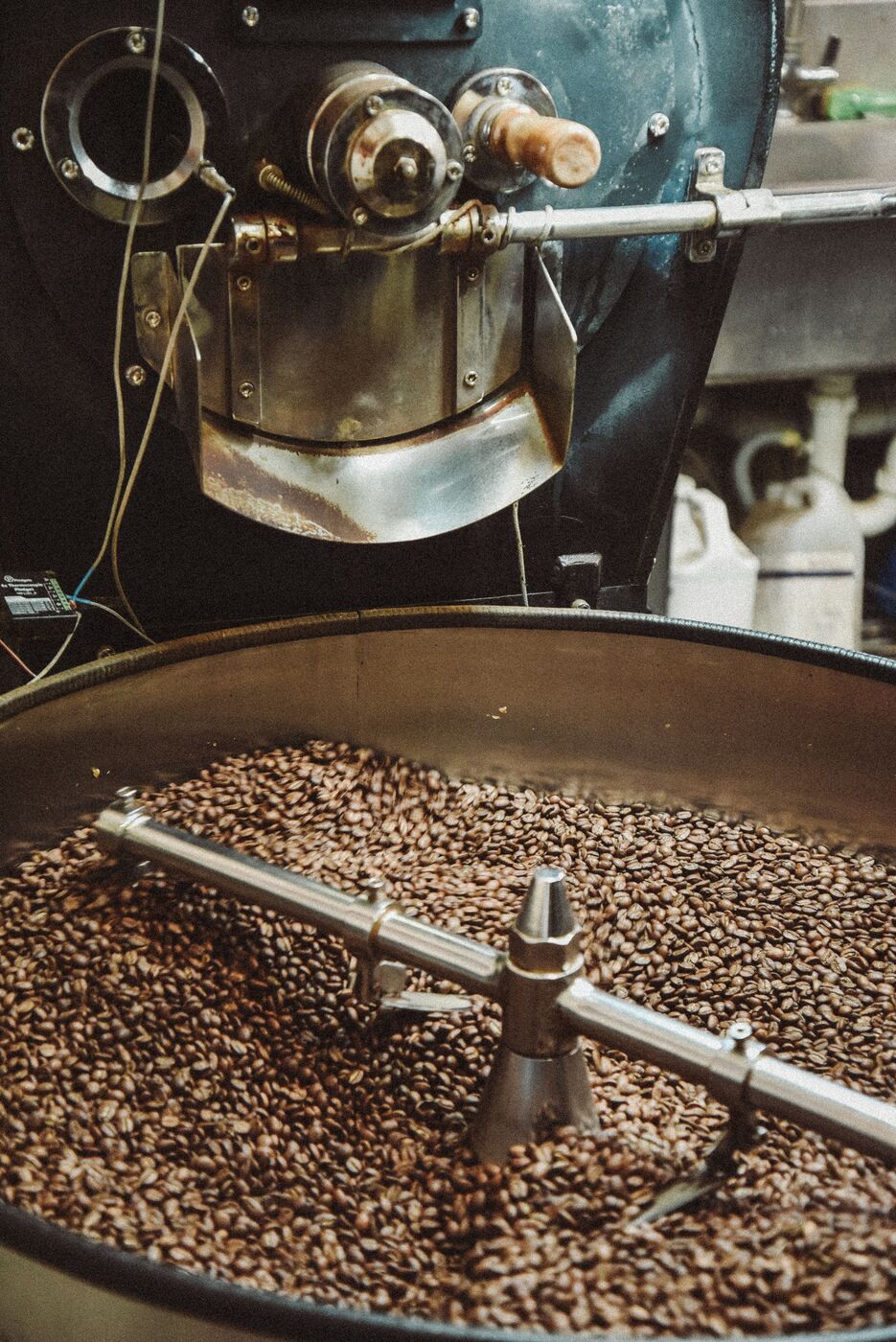
Yellowing
Drying, then the Maillard browning begins.
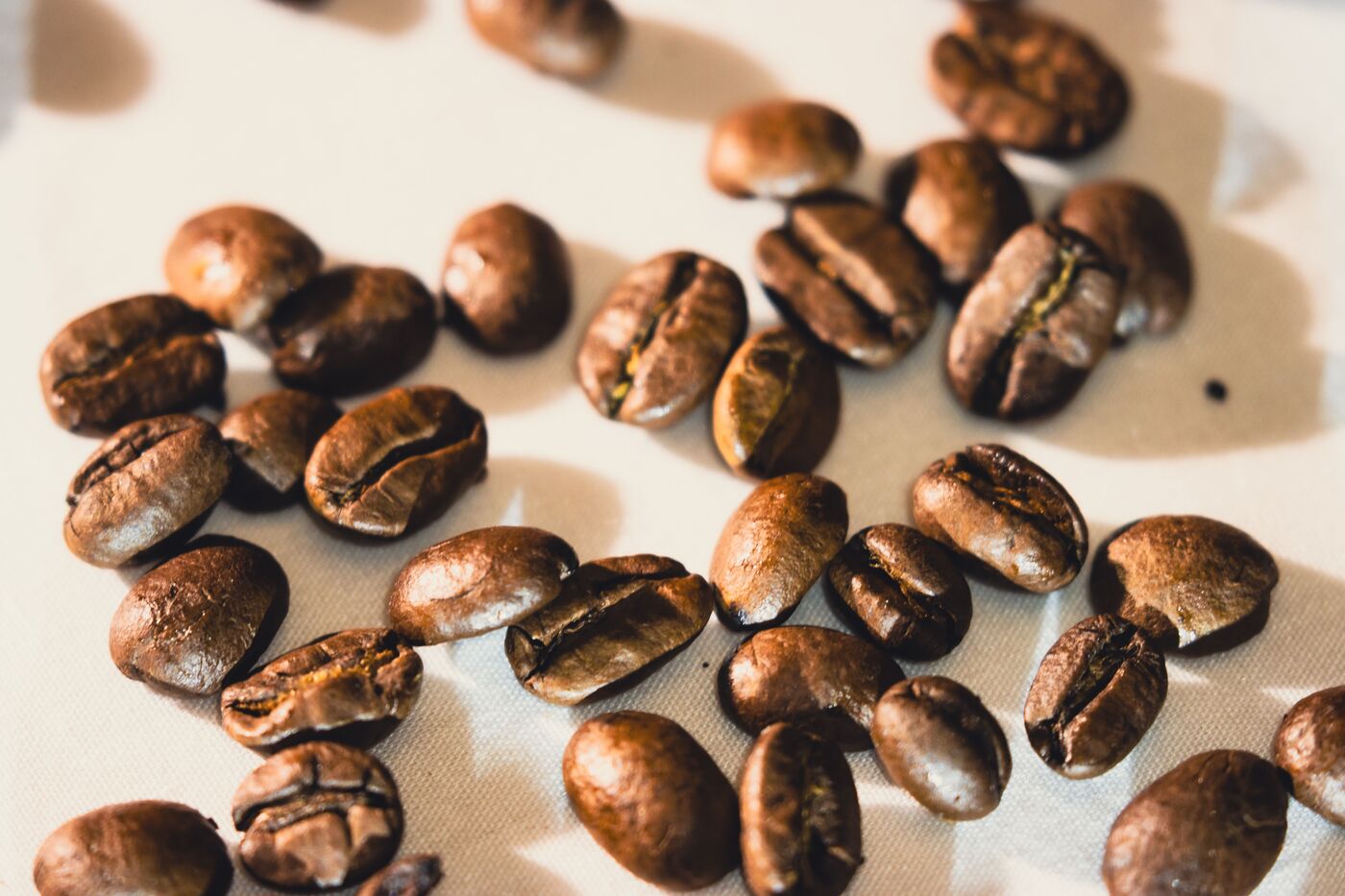
First crack
Beans pop, sugars caramelize, coffee is born.
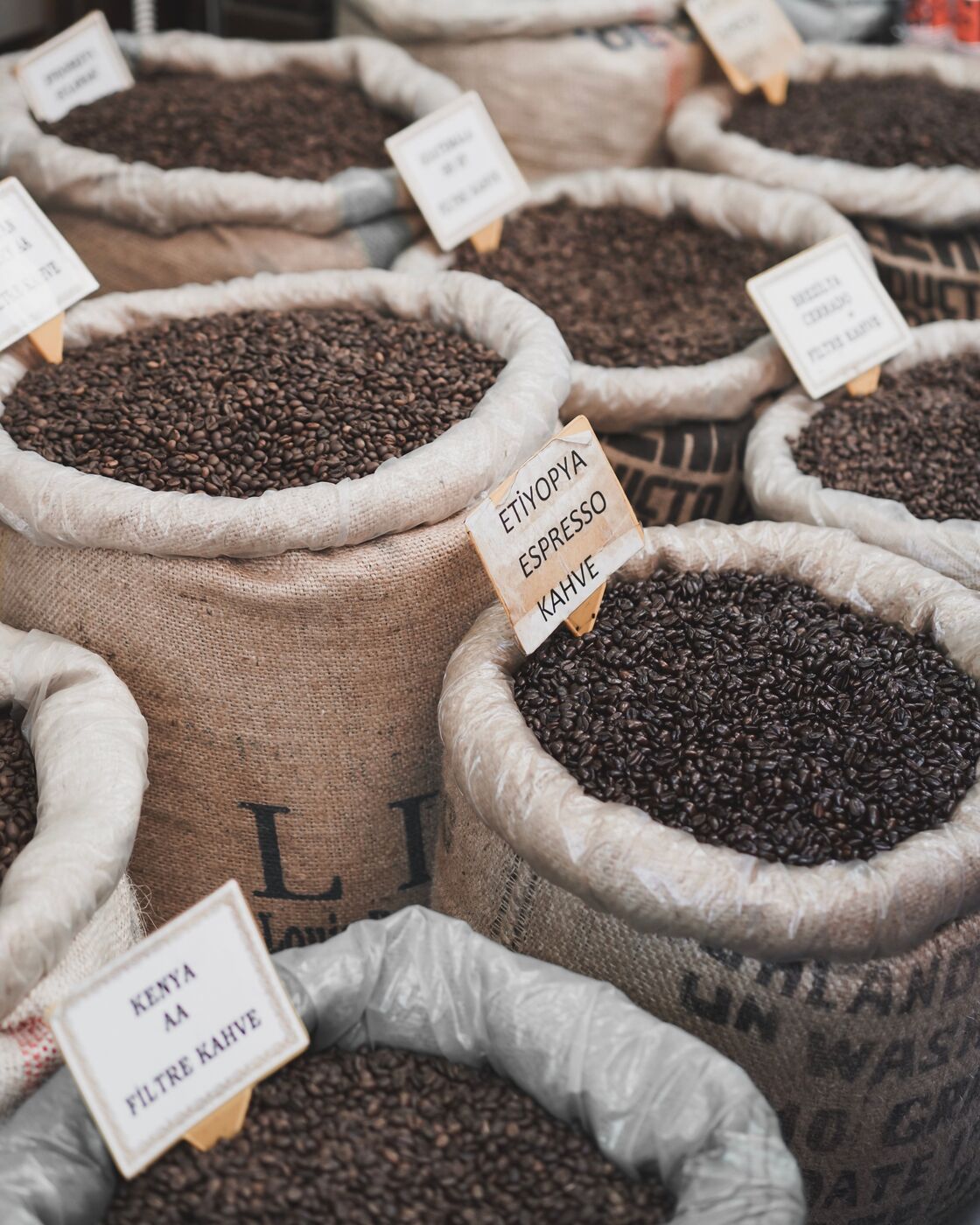
Development
Roaster decides: stop light, or push to dark.
Light to dark
The trade-offs
Light
Best for: single origins, pour-over, filter. Gives you: the most fruit, floral, and acidity, and the truest sense of where the bean is from. Lighter body, more delicate. The specialty world's default for showing off a coffee.
Medium
Best for: everyday brewing, versatility. Gives you: a middle ground, some of the origin's character plus caramel sweetness and a rounder body from the roast. The safest crowd-pleaser, and where most blends live.
Dark
Best for: espresso, milk drinks, bold tastes. Gives you: low acidity, heavy body, and deep bittersweet, smoky, chocolatey flavor from the roast itself. Origin character fades, but consistency and richness step up.
Then it's down to the brew method. Or browse beans by roast.