How coffee is graded
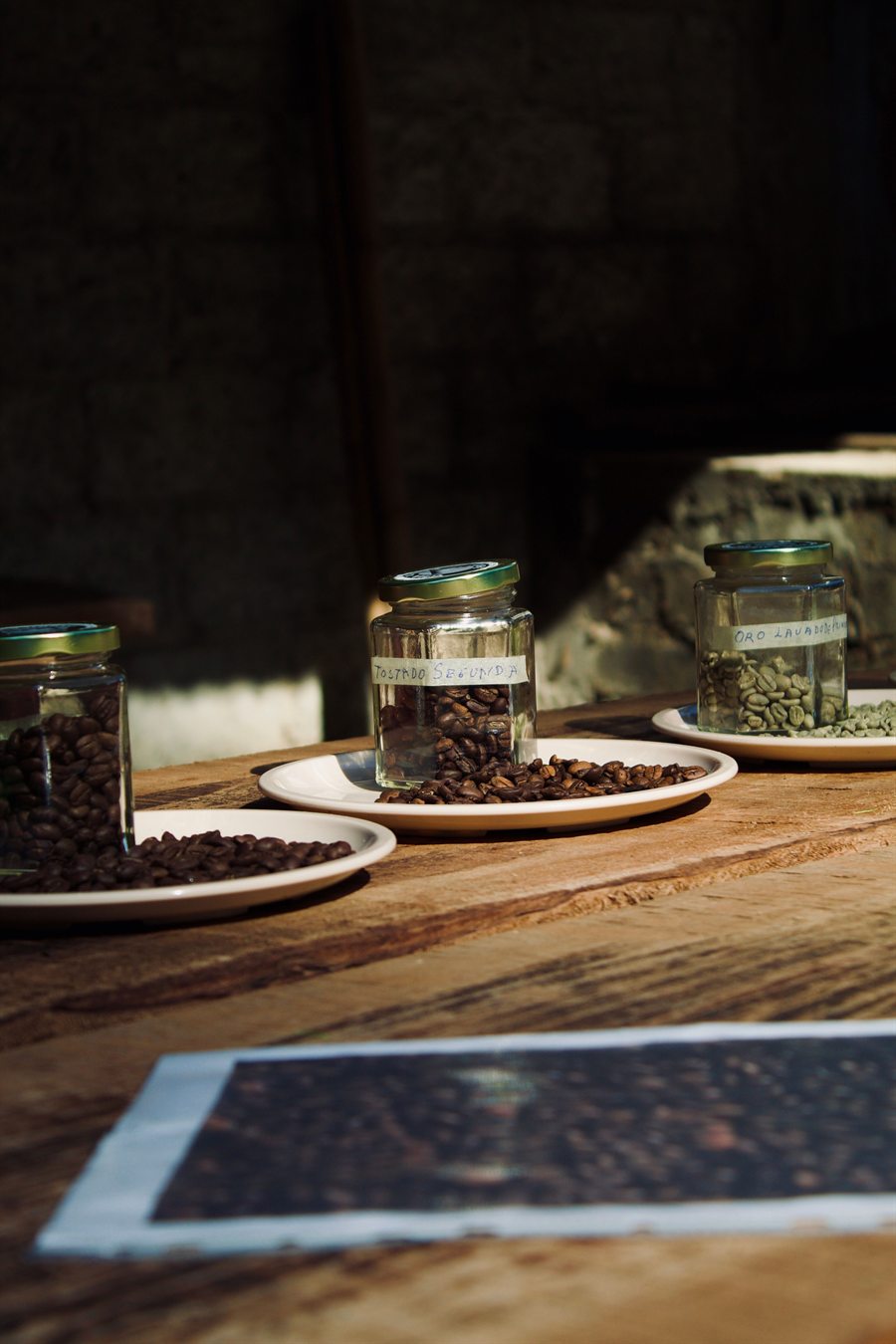
Before a bean ever gets roasted, it gets judged. Graders score the cup on a 100-point scale and count the flaws in the green beans. Here's what those numbers mean, in plain language.
The 100-point scale
Trained graders taste a coffee and score it out of 100. The magic number is 80: hit it and the coffee is "specialty." Miss it and it's commercial-grade.
Below 80
Commercial grade.
80 to 84.9
Specialty: good.
85 to 89.9
Excellent.
90 to 100
Outstanding.
What graders score
That 100-point total is the sum of ten things, each scored out of ten by a panel tasting the same brew side by side.
Fragrance & aromaFlavorAftertasteAcidityBodyBalanceSweetnessClean cupUniformityOverall
Grade tiers and defects
Before tasting, graders weigh out a sample of green beans and count the defects: black beans, broken beans, stones, sticks, and quakers (under-developed beans that won't roast). Fewer flaws means a higher grade.
1 · Specialty
No primary defects and just a handful of minor ones, with no quakers. The only tier that can also score 80+ on the cup.
2 · Premium
A few more defects allowed and a couple of quakers. Clean, solid coffee, just short of specialty.
3 · Exchange
The everyday commercial grade traded on the commodity market. More defects, less consistency.
4 · Below standard
Heavy defect counts. Usually blended down into cheap, mass-market coffee.
Why some bags say AA
Those letters are a size grade, not a taste score. Beans are dropped through stacked sieves (screens) with holes measured in 1/64ths of an inch, and the ones caught at each size get a letter. Kenya, Tanzania and much of East Africa use this system, so it's what you'll see on a lot of African bags.
AA · largest beans
Screen 17 to 18 (about 7.2 mm and up). The top size grade and usually the priciest, often off healthy high-altitude trees.
AB · the everyday size
A (screen 16) and B (screen 15) combined. The bulk of a typical crop: clean and balanced, a step cheaper than AA.
PB · peaberry
When only one seed forms in the cherry instead of two, it grows round instead of flat. Roughly 5% of beans, sorted and sold on its own.
E · elephant bean
The giant of the lot: two beans fused into one. Rare, more curiosity than category, often broken during roasting.
A high grade sets the ceiling; brewing decides the rest. See it in the beans.