Coffee processing
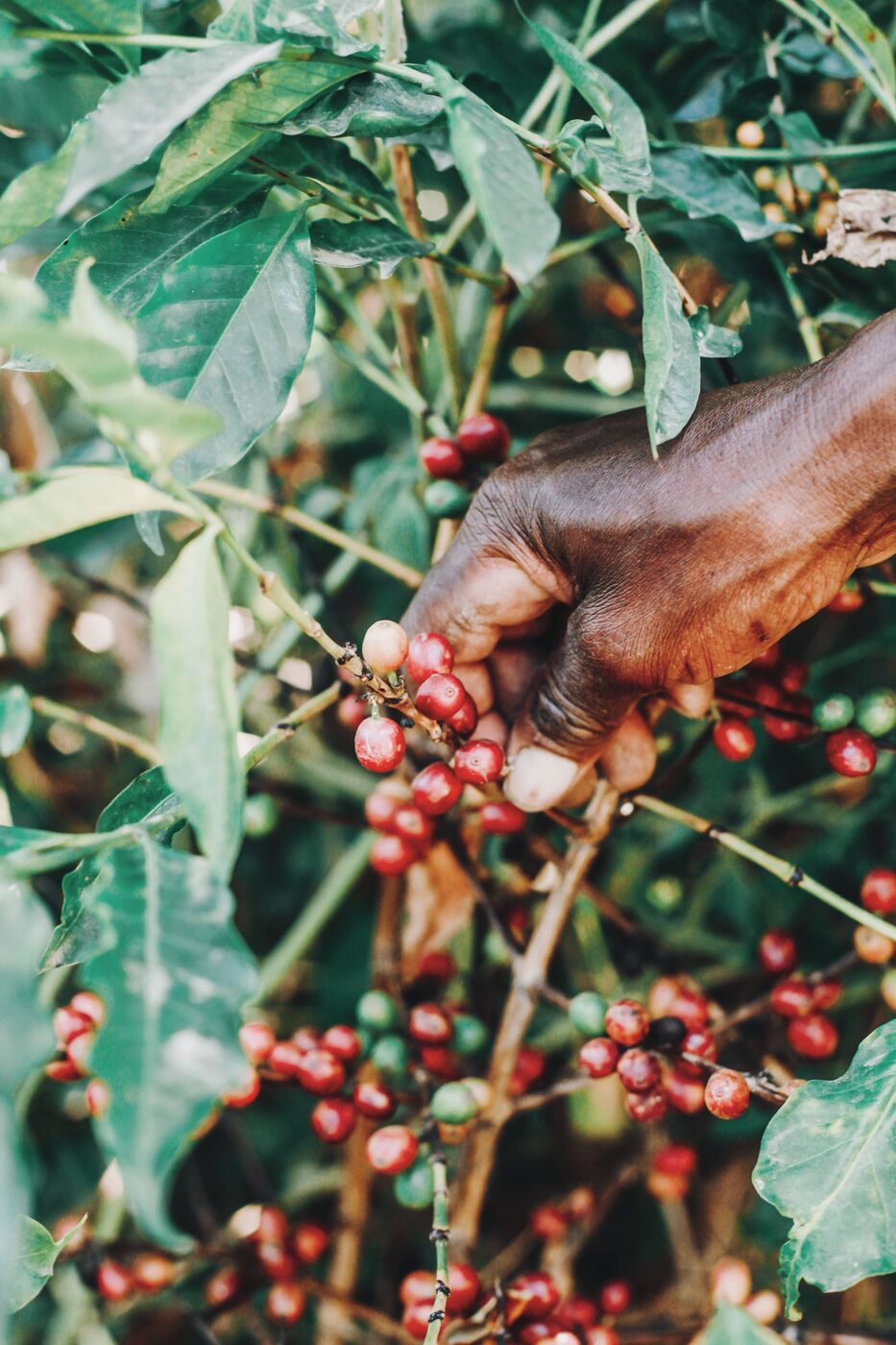
A coffee "bean" is the seed inside a cherry. Processing is how the fruit is removed and the seed is dried. The key variable is how long the seed stays in contact with its sweet, sticky fruit (the mucilage): more contact means more fruit and ferment in the cup, less contact means more clean clarity.
The four you'll see most
 Wet process
Washed
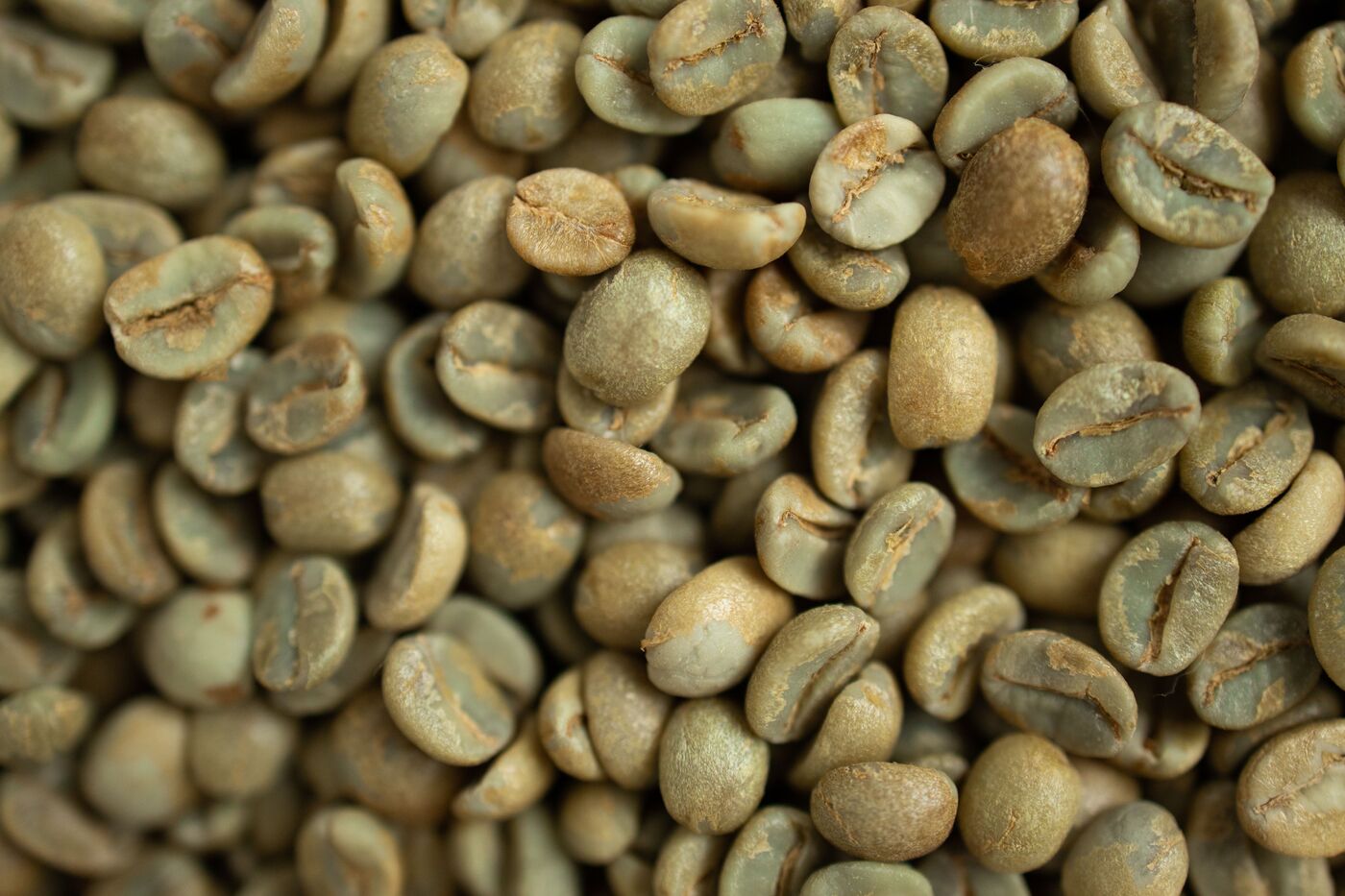
The fruit is stripped off and the beans are fermented and rinsed clean before drying. Nothing fruity is left clinging to the seed, so the cup is transparent: it shows the origin's true character, bright, clean, and crisp. The standard for showcasing high-grown Arabica.
Clarity: high · Acidity: bright · Body: lighter
 Dry process
Natural
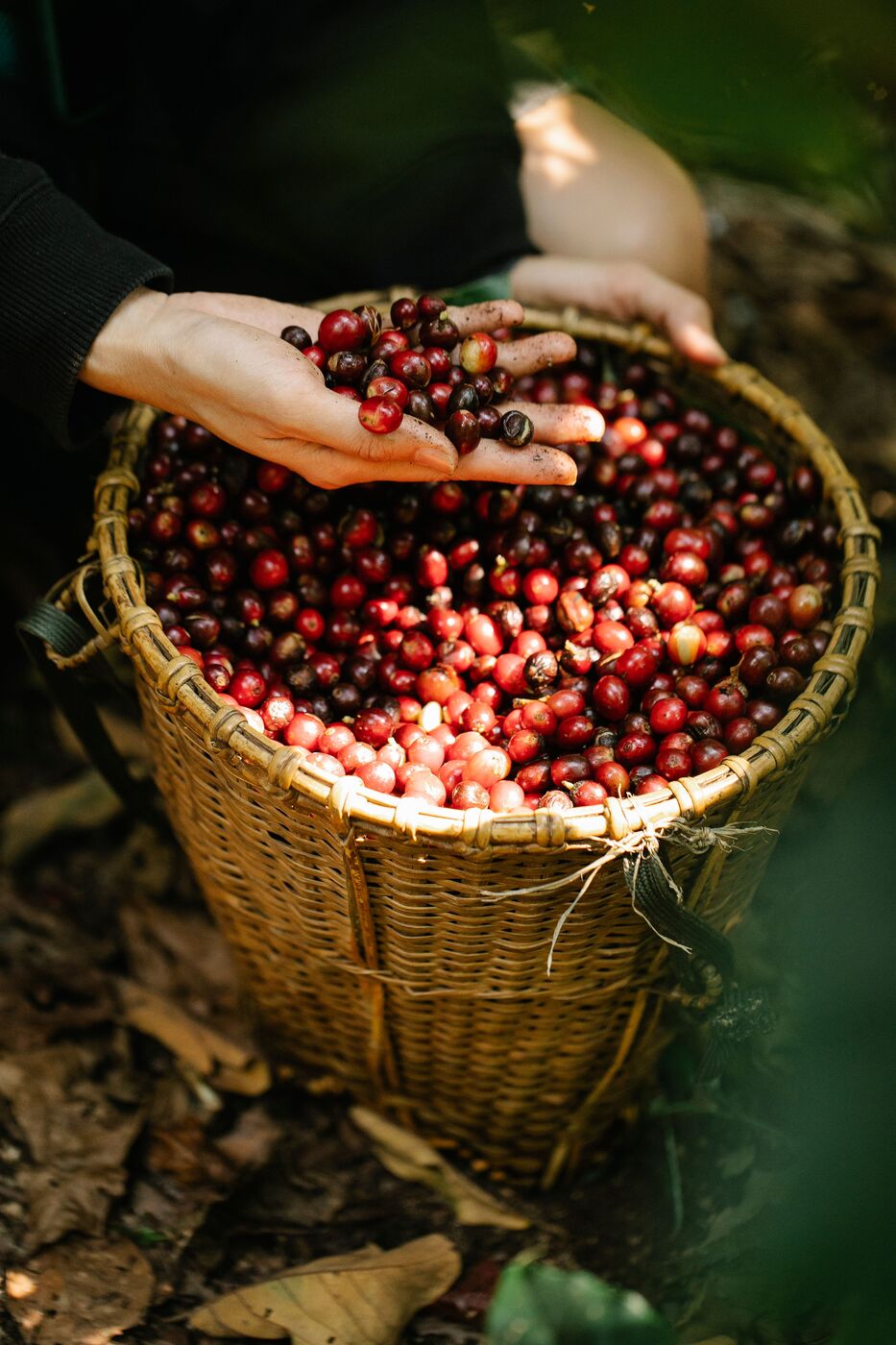
The whole cherry is dried intact, fruit and all, so the seed soaks up sweetness and fruit as it dries. The result is heavier, sweeter, and unmistakably fruity: think berry, jam, and a wine-like edge. The oldest method, and a favorite for expressive, juicy cups.
Clarity: lower · Fruit: high · Body: heavy
In betweenHoney
The skin is removed but some of the sticky mucilage is left on the bean to dry, a middle path between washed and natural. It keeps a clean structure while adding rounded sweetness and gentle fruit. Named yellow, red, or black honey by how much fruit is left on.
Clarity: medium · Sweetness: high · Body: rounded
 Controlled ferment
Anaerobic
The cherries ferment in sealed, oxygen-free tanks, where producers control time and temperature precisely. It pushes flavor to the extreme: intensely fruity, boozy, sometimes funky and wild. The most expressive and experimental cups on the menu, and not for everyone.
Clarity: varies · Intensity: very high · Body: full
From cleanest to wildest
A rough spectrum of how much fruit and ferment ends up in the cup: Washed (clean & bright) → Honey (sweet & balanced) → Natural (fruity & heavy) → Anaerobic (intense & wild).
See processing noted on every bean, or read the flavor glossary.